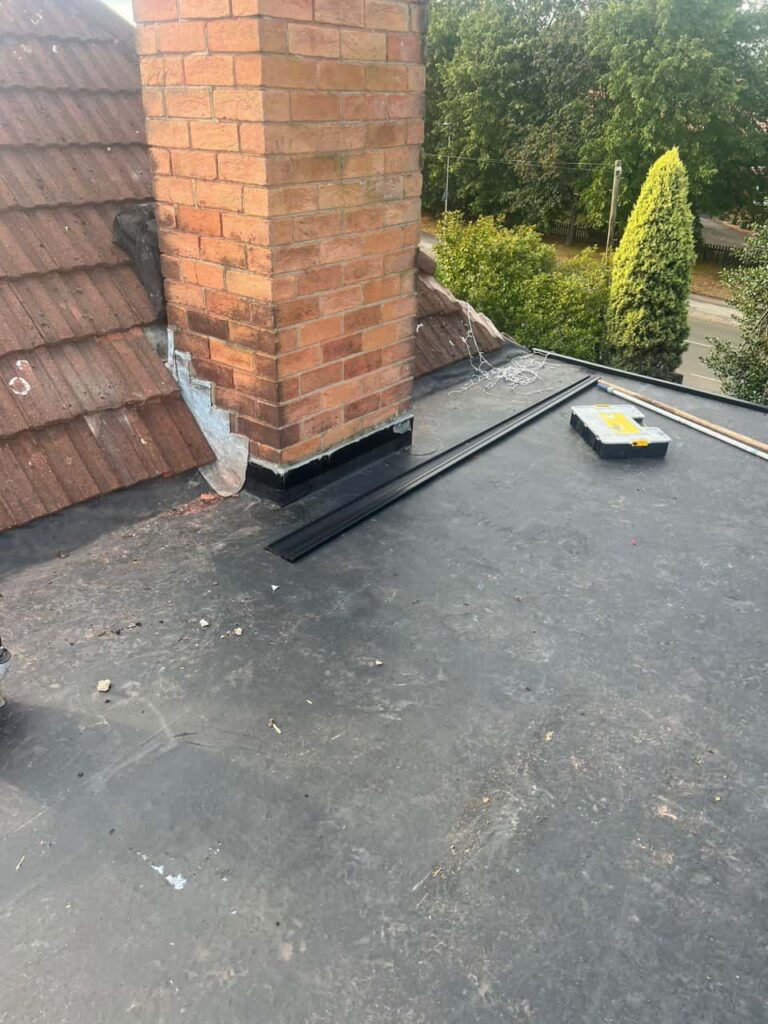
A roof is made up of several layers that work together to protect a property from rain, wind and changing weather conditions. While roof tiles and slates provide the main external covering, the underlay beneath them offers an additional layer of protection against water entering the roof space. When this material becomes damaged, its ability to prevent moisture from reaching the roof structure can be reduced, potentially contributing to persistent leaks.
For homeowners in Fordingbridge, Hampshire, understanding the role of roof underlay and recognising signs of deterioration can help prevent minor roofing issues from developing into more extensive problems. Identifying the source of a leak is particularly important when water continues to enter the property despite previous repairs to the external roof covering.
What Is Roof Underlay and Why Is It Important?
Roof underlay is a protective membrane installed beneath roof tiles or slates. It acts as a secondary barrier, helping to direct water that passes beneath the outer covering towards the roof drainage system.
It also helps protect the roof structure from wind-driven rain, dust and debris. Depending on the roofing system, underlay can contribute to ventilation and moisture management within the roof space.
Although it is not designed to replace sound tiles, slates or flashing, underlay provides valuable additional protection. If it becomes torn, deteriorated or incorrectly fitted, water may reach the supporting timbers and insulation more easily.
How Damaged Underlay Can Cause Persistent Roof Leaks
Underlay can deteriorate for several reasons, including age, exposure to moisture, poor installation and movement within the roof structure. Once its protective function is compromised, even relatively small defects can allow water to enter the roof space.
Common problems include:
Tears and Holes in the Membrane
Small tears, punctures or holes can develop in roof underlay over time. These may occur due to ageing materials, accidental damage during roofing work or movement around roof fixings.
Water entering beneath damaged tiles can pass through these openings and reach the loft space. Because the damage may be hidden beneath the external covering, the leak can continue without an obvious visible defect on the roof itself.
Deterioration Around Roof Edges
The lower edge of the underlay, often known as the eaves, is an important part of the roof’s drainage arrangement. If the underlay becomes brittle, torn or incorrectly positioned in this area, water may not drain away as intended.
Moisture can then reach roof timbers, fascia boards or other components near the roofline. Correct installation and suitable support at the eaves help ensure water is directed safely towards the guttering.
Sagging or Poorly Supported Underlay
Underlay that has become loose or sagged between roof rafters may allow water to collect rather than drain correctly. Prolonged exposure to moisture can contribute to further deterioration and may increase the likelihood of leaks.
Sagging can also be associated with ageing materials, incorrect installation or damage to the supporting structure. A roofing inspection can help establish whether the membrane needs repair or replacement.
Failed Joints and Overlapping Sections
Roof underlay is installed in overlapping sections to help prevent water from passing through the joins. If these overlaps have become damaged, separated or incorrectly fitted, moisture can find a route into the roof space.
This is particularly concerning around roof features such as chimneys, valleys and roof junctions, where several components need to work together to manage water effectively.
Warning Signs of Damaged Roof Underlay
Since underlay is usually concealed beneath the tiles or slates, identifying problems often involves looking for signs of moisture within the property.
Warning signs may include:
- Water stains appearing on ceilings or upper walls.
- Damp insulation within the loft.
- Visible moisture or dripping after rainfall.
- Dark patches or signs of decay on roof timbers.
- A persistent musty smell in the roof space.
- Leaks that continue despite replacing damaged tiles.
These symptoms do not always indicate underlay damage. Faulty flashing, blocked valleys, damaged tiles and condensation can produce similar signs. A thorough inspection is therefore important to identify the actual cause.
Why Replacing Damaged Tiles May Not Solve the Problem
When a roof develops a leak, replacing a cracked or slipped tile may seem like the obvious solution. However, if water has already reached damaged underlay beneath the covering, repairing the external surface alone may not resolve the issue.
The membrane may have several defects, or the original leak may have caused deterioration to nearby roofing components. This can explain why water continues to appear inside the property even after visible roof damage has been addressed.
A professional assessment should consider the condition of the tiles or slates, underlay, roof timbers, flashing and drainage details rather than focusing on a single component.
How Professional Roof Repairs Can Address Underlay Problems
Repairing damaged underlay usually requires access to the affected section of the roof. Depending on the extent and location of the deterioration, surrounding tiles or slates may need to be carefully lifted so the membrane can be examined.
Localised damage may be suitable for a targeted repair, while widespread deterioration may make replacement of a larger section more appropriate. Any underlying timber damage or moisture-related issues should also be assessed.
MCM Roofing Repairs Fordingbridge can help identify the source of persistent roof leaks and recommend suitable repairs based on the condition of the roofing system. Addressing the underlying problem helps restore the roof’s ability to protect the property.
Conclusion
Damaged roof underlay can contribute to persistent leaks by allowing moisture to pass through the secondary protective layer beneath tiles or slates. Tears, sagging, deteriorated edges and failed overlaps can all affect how effectively the roof manages water.
For homeowners in Fordingbridge, Hampshire, investigating recurring leaks is important, particularly when previous repairs have not resolved the issue. If you have noticed damp patches, water ingress or signs of deterioration in your roof space, contact MCM Roofing Repairs Fordingbridge to discuss your roofing concerns and arrange a professional assessment.
Call us on: 01425 208 596
Click here to find out more about MCM Roofing Repairs Fordingbridge
Click here to complete our contact form and see how we can help with your roofing needs.